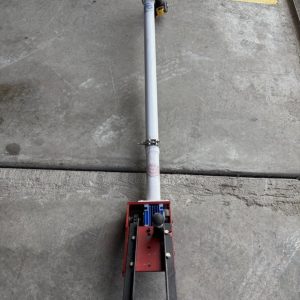
The Aircraft Electric Tow Bar – Mini Max Style is designed to make routine aircraft movement easier for private hangars, maintenance shops, general aviation operators, and aircraft owners. For aircraft owners who frequently enter or leave a tight hangar, an Aircraft Electric Tow Bar can make routine ground movement more manageable.
The Electric Tow Bar for Aircraft is available as a well-maintained used unit for operators who want dependable ground-handling equipment without the expense of a large powered tug. When considering a Used Electric Aircraft Tow Bar, buyers should review its maintenance history, previous application, included accessories, current photographs, and operating demonstration.
Choosing a Mini Max Aircraft Tow Bar may help private owners handle routine aircraft positioning without investing in bulky ground-support machinery. The included Aircraft Tow Bar with Drill and Aircraft Tow Bar with Charger create a more complete package for users who want equipment that can be prepared for service without sourcing major accessories separately.
The Portable Aircraft Tow Bar design can support flexible use across private hangars, shared aviation facilities, maintenance shops, and general aviation ramps. When correctly selected and operated, this Powered Aircraft Tow Bar can help move an airplane smoothly through a hangar or across an appropriate paved surface.
Aircraft Ground Handling Equipment should match the operator’s aircraft, movement frequency, available space, ground surface, budget, and maintenance resources. As an Aircraft Hangar Tow Bar, it can support everyday positioning while also serving as practical Aircraft Moving Equipment for suitable private or maintenance operations.
Understanding the Aircraft Electric Tow Bar – Mini Max Style
The Aircraft Electric Tow Bar – Mini Max Style provides a convenient middle ground between fully manual movement and investment in a larger dedicated tug. The buyer should assess the complete operating environment because aircraft weight alone does not determine whether the tow bar is suitable.
A Mini Max-style unit may help operators manage tight hangar spaces where a larger tug would be difficult to store, turn, or operate. A second person may be appropriate when moving an aircraft in congested areas, through narrow hangar doors, or near obstacles.
Choosing an Electric Tow Bar for Aircraft
An Electric Tow Bar for Aircraft may support more efficient ground handling by reducing the time and effort involved in routine positioning. The equipment may support numerous routine tasks where controlled aircraft movement is necessary without starting the engine.
An electric tow bar provides controlled movement without creating engine exhaust, propeller wash, or unnecessary noise around the hangar. However, the operator must ensure that brakes are released appropriately, control locks are considered, the intended path is clear, and the aircraft is prepared for towing.
Used Electric Aircraft Tow Bar Inspection
A well-maintained Used Electric Aircraft Tow Bar can support many future hangar operations when its structure, drive components, controls, and attachments remain serviceable. The seller reports that this unit was used with a Navion aircraft for approximately six months and replaced after an upgrade to a dedicated tow tug.
The inspection should include structural welds, connection points, tires or rollers, controls, drive components, battery condition, charger cable, and included accessories. When an in-person inspection is not practical, a functional video can help confirm that the powered system operates under realistic conditions.
Mini Max Aircraft Tow Bar Operation
A Mini Max Aircraft Tow Bar is generally selected by operators who want powered movement in a compact configuration that does not occupy the floor space of a conventional aircraft tug. A compact tow bar may be easier to maneuver around crowded hangar spaces than a wide or heavy tug.
A qualified person should review the attachment method and operating geometry before the tow bar is used on an unfamiliar airplane. Safe operation requires keeping within the aircraft manufacturer’s towing limits and avoiding excessive steering angles or sudden directional changes.
Aircraft Tow Bar with Drill Operation
The drill-powered configuration may reduce equipment complexity while allowing the operator to remove, charge, replace, or store the power tool separately. A drill that is underpowered, damaged, incorrectly adjusted, or poorly secured may provide inadequate performance or create inconsistent movement.
The tow bar should be practiced without obstacles before it is used in a confined hangar or near another aircraft. Drive connections may require cleaning, adjustment, lubrication, or replacement depending on the tow-bar design and operating history.
Maintaining an Aircraft Tow Bar with Charger
The included charger adds practical value because the tow bar depends on reliable battery power for controlled aircraft movement. The buyer should request the charger model and input requirements when the equipment may be used in a region with different electrical standards.
The charger and battery should be stored in a clean, dry, protected location where they cannot be damaged by tools, vehicles, fluids, or hangar traffic. Before important aircraft movements, the operator should confirm battery charge rather than discovering insufficient power after the aircraft has been partially repositioned.
Portable Aircraft Tow Bar Storage
The compact unit can be relocated when hangar arrangements change, aircraft are moved to another location, or floor space is needed for maintenance. Loose accessories such as the drill, charger, adapters, pins, and fasteners should be stored separately in labeled protective containers.
Clean, dry storage can protect metal surfaces, wheels, attachments, electrical accessories, and controls from corrosion or deterioration. Shared facilities may benefit from assigning responsibility for charging, inspection, storage, and reporting any equipment concerns.
Powered Aircraft Tow Bar Safety
Powered assistance can improve convenience for owners who operate alone, although aircraft movement should never exceed the operator’s ability to observe and control the situation. The reported Navion application offers a useful reference, but another aircraft may differ significantly in weight, gear design, tire size, or towing geometry.
Operators should use slow speeds near hangar doors, walls, parked vehicles, tools, support stands, people, and other airplanes. Aircraft brakes, chocks, tie-down procedures, and facility practices should be used as appropriate after the airplane reaches its intended position.
Choosing an Electric Airplane Tow Bar
An Electric Airplane Tow Bar offers a practical solution for owners who need to move an aircraft regularly but do not require a large fleet-support tug. Compatibility review protects the landing gear, steering components, fairings, tires, and tow equipment from avoidable damage.
Even a small floor obstruction can affect the tow bar’s wheels, alter steering, or create an abrupt load on the aircraft connection. Operators should understand how the tow bar reacts before attempting a tight turn or backing the aircraft through a narrow doorway.
Maintaining Aircraft Ground Handling Equipment
Aircraft Ground Handling Equipment should be selected according to aircraft type, weight, towing arrangement, movement frequency, surface condition, hangar layout, and available storage. A complete package with a functioning drill and charger may offer greater practical value than an incomplete tow bar with a lower advertised cost.
Replacement parts should match the tow-bar design and maintain the strength, fit, and function required for aircraft ground movement. The tow bar should remain clean enough for damage and wear to be seen rather than hidden by grease, dirt, or accumulated debris.
Aircraft Hangar Tow Bar Operations
A powered hangar tow bar may reduce the need to push on aircraft structures or recruit additional people for every movement. Adequate lighting is important because shadows or poor visibility can conceal obstacles and make aircraft-clearance judgment difficult.
Only designated personnel should operate the unit, especially in shared hangars where unfamiliar users may not understand its controls or limitations. The tow bar should not remain attached where it could create a trip hazard, obstruct maintenance, or place unintended force on the landing gear.
Aircraft Moving Equipment Benefits
A drill-powered tow bar may provide an efficient balance of portability, simplicity, affordability, and useful towing assistance. Wheel resistance can increase because of low tire pressure, brake drag, uneven floors, cold conditions, or aircraft inactivity.
Only the intended tow connection should receive the towing load, and the operator should avoid improvised methods that can damage the aircraft. Dependable Aircraft Moving Equipment is the result of proper selection, careful use, responsible storage, and consistent inspection.
Choosing an Electric Aircraft Mover
For appropriate applications, a drill-powered mover can be more practical than maintaining a larger battery-powered or engine-driven tug. Electric power does not guarantee unlimited towing capacity, and the equipment should not be used outside its practical operating range.
Electric systems offer convenient charging and quiet operation, making them suitable for enclosed hangars and noise-sensitive environments. Replacement accessories should be sourced before the existing components become unavailable or fail unexpectedly.
Aircraft Mobility Equipment for Hangar Efficiency
Aircraft Mobility Equipment can support private ownership, restoration work, maintenance inspections, aircraft sales, cleaning, and shared hangar management. Different mobility devices serve different purposes, so owners should determine whether they need straight towing, side movement, tight rotation, lifting, or long-distance transport.
Shared hangars may establish an authorization list so only trained users operate the powered tow bar. A tow bar that worked well for one aircraft may not remain suitable after a change in airplane, landing gear, weight, or attachment arrangement.
Light Aircraft Tow Bar Selection
A Light Aircraft Tow Bar should be selected for the specific airplane, tow connection, operating weight, wheel arrangement, surface, and hangar layout. Aircraft documentation and experienced maintenance guidance can help confirm approved towing points and steering limitations.
Addressing tire pressure, brake condition, wheel freedom, obstacles, and surface cleanliness can improve towing performance significantly. A Light Aircraft Tow Bar that is used infrequently still requires periodic inspection because batteries age and metal components can corrode during storage.
Protecting Electric Tow Bar Reliability
A regular inspection routine supports dependable performance, protects resale value, and gives operators confidence during hangar movement. Maintenance should be based on actual condition and operation rather here than waiting for the equipment to stop functioning.
- Check structural components, wheel condition, hardware security, tow connections, drive parts, controls, and drill engagement before moving an aircraft.
- Check the charger cable, battery contacts, drill chuck, drive interface, control response, and available power before an important movement.
- Clean and store the tow bar, drill, charger, adapters, pins, and hardware in a dry, organized, protected location after operation.
Choosing the Right Aircraft Electric Tow Bar – Mini Max Style
The Aircraft Electric Tow Bar – Mini Max Style can be an excellent choice for compatible light-aircraft owners who need portable powered assistance for routine hangar positioning. A successful purchase depends on attachment fit, aircraft weight, ground conditions, drill performance, charger function, structural integrity, and seller transparency.
Whether operators are sourcing an Electric Aircraft Mover, Aircraft Mobility Equipment, or Light Aircraft Tow Bar, safe attachment, adequate capacity, and responsible maintenance remain essential. With correct fitment, careful operation, proper battery care, and routine inspection, the tow bar can provide convenient aircraft movement for many future hangar operations.